Free Shipping On All Orders Above £100

Managing Food Related Behaviours

Managing food‑related behaviours in children can feel overwhelming, especially when mealtimes turn into a daily struggle. But with the right strategies, you can transform stress into calm, and picky bites into happy, healthy eating. From using social stories and modelling new foods cheerfully, to creating a calm mealtime space and avoiding pressure tactics, these gentle approaches help children feel more in control and willing to try new foods. Discover how to make mealtimes more positive for your whole family — one bite at a time.

Introduction
The shift from the all-milk diet of infants to the omnivorous diet of early childhood involves a great deal of understanding about food and eating. Managing food related behaviours during transition is important as feeding strategies may change children’s eating patterns and impact their energy balance.
How Do Baby Eating Behaviours Connect to Their Growth, and Food Intake
Research studies have looked at the growth processes linked to eating behaviours in a large population sample and found that problems with eating are a major source of worry for parents of toddlers. Over the first two years, children who were classified to be experiencing an eating disorder acquired less weight, had lower appetite, and experienced growth issues too.
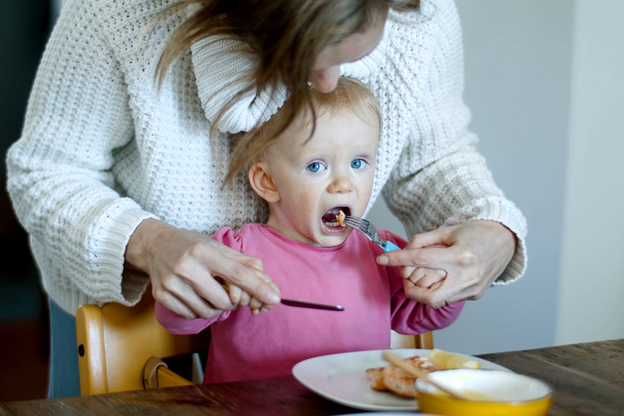
Here to help, we’re sharing practical tips for managing food‑related behaviours in children — gentle strategies to make mealtimes calmer, healthier, and more positive.
Managing food related behaviours using social stories
According to the present investigation, the most important factor influencing a child’s eating habits is his or her environment. In addition to serving as excellent role models and introducing their children to a variety of healthful eating options, parents should also use social stories. These stories will illustrate to the child how to eat properly. This will help the child learn better eating behaviours and will know what is expected from him during the mealtime.
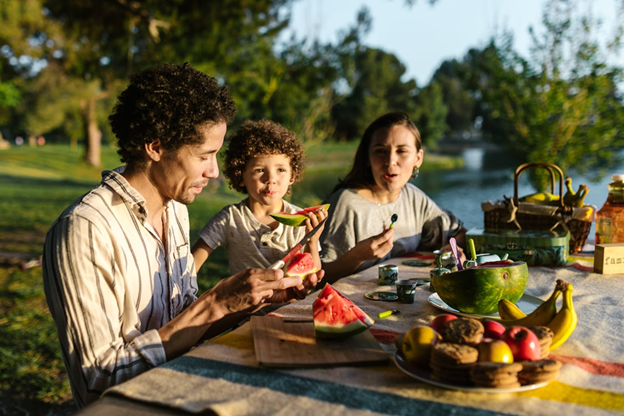
Avoid booking activities/trips too close to food times — transitions can feel hard
Apart from the method of feeding and eating habits of both parents, the time of feeding also holds great significance. Parents should provide their children with a range of nutritious food alternatives while making the meal time more mindful. Kids are always interested in trips or other activities so make sure to avoid such activities at the mealtime as this will distract your kid from the meal.

Stay calm and validate the emotion (“I see this is hard for you”)
It has been proposed that psychological stress alters eating habits leading to more inclination towards unhealthy options, which in turn may lead to overweight. Make yourself calm and the whole moment calm so that mealtime does not become a stressful time for the kid.
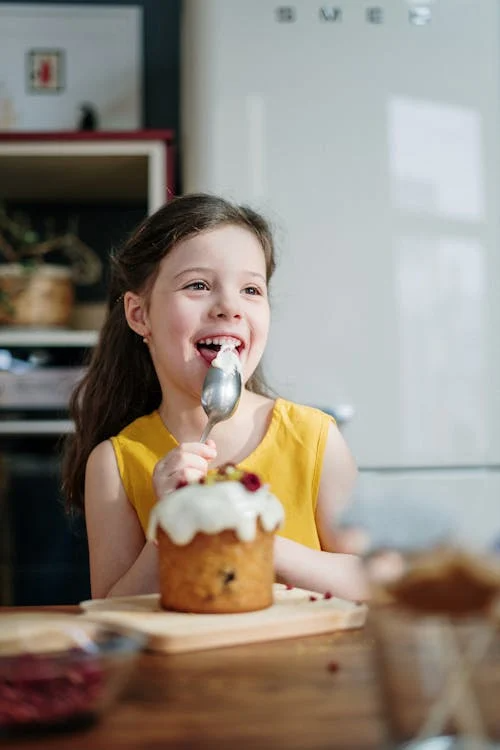
Avoid bribes or punishments; build trust through consistency
Punishing disturbs the whole process. Your child needs a positive environment to live a life fully and also enjoy the mealtime. When parents enforce feeding practices, this leaves on children with little opportunity to practice self-control. Also avoid bribes because instead of positively influencing the eating behaviour, this can make your child blackmail you to eat unhealthy treats only.

The trust model places emphasis on the division of feeding responsibilities between children and parents. It also reinforces confidence in the child’s capacity to self-regulate food intake by identifying signs related to hunger, appetite, and fullness within the framework of regular eating habits.

Model trying new foods calmly and cheerfully
Here an important point is that while trying new foods, parents should be patient with the kid and let the child do his work calmly. Also you should present this experience as a calm and cheerful one. It may take some time but your kid will develop taste for new foods. So don’t get angry quickly, be cheerful and make the time playful.

Praise effort, try again tomorrow
The process to managing food related behaviours takes time so you have to train yourself accordingly too. Don’t degrade your child for not eating all, rather praise the effort and start working again on the same food some next time. Slowly everything will be at its place.
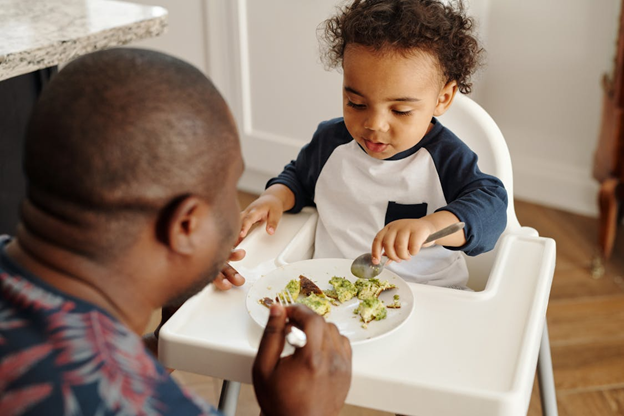
Offer calm space
Allocate a specific calm corner for the meals where the kids feel their most comfortable. Research suggests that strict parental monitoring may decrease children’s capacity to accept a range of foods and raise their cravings for foods that contain fat and high calorie nutrient density. Make the whole process enjoyful. Some breathing techniques can also help in making your child calm and incorporating healthy eating behaviours.

Key Takeaway
Mealtime is a great time to develop healthy relationship with your child. Sometimes our little mistakes is not knowing how to manage food related behaviours in our children which make the whole process stressful. Just make sure to include the above tips in your routine next time, and be patient with the process. You will surely see the positive outcomes of your hard work soon.
References
https://doi.org/10.1542/peds.101.S2.539
https://doi.org/10.3390/nu10060706
https://doi.org/10.1542/peds.2006-2961


